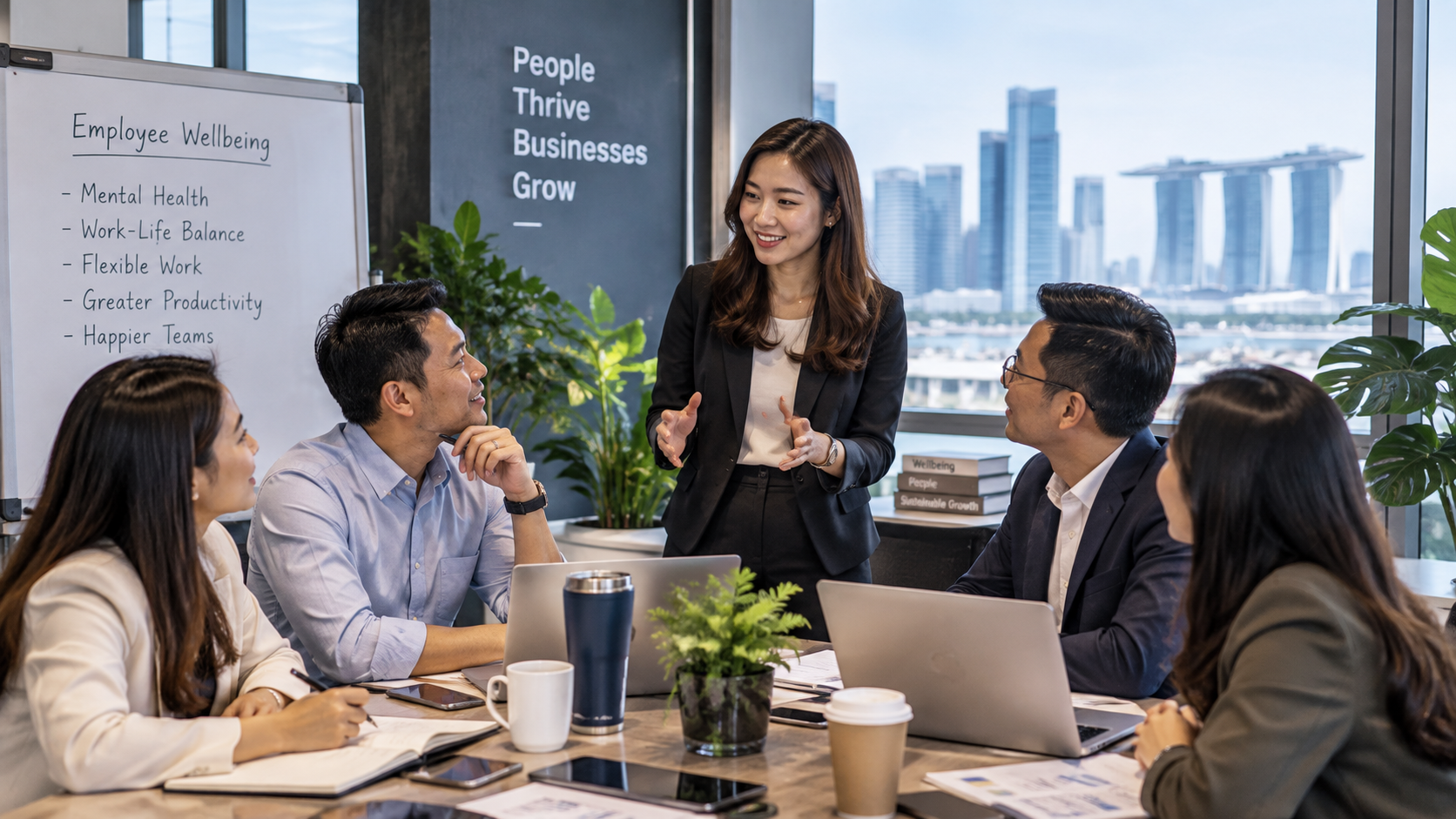
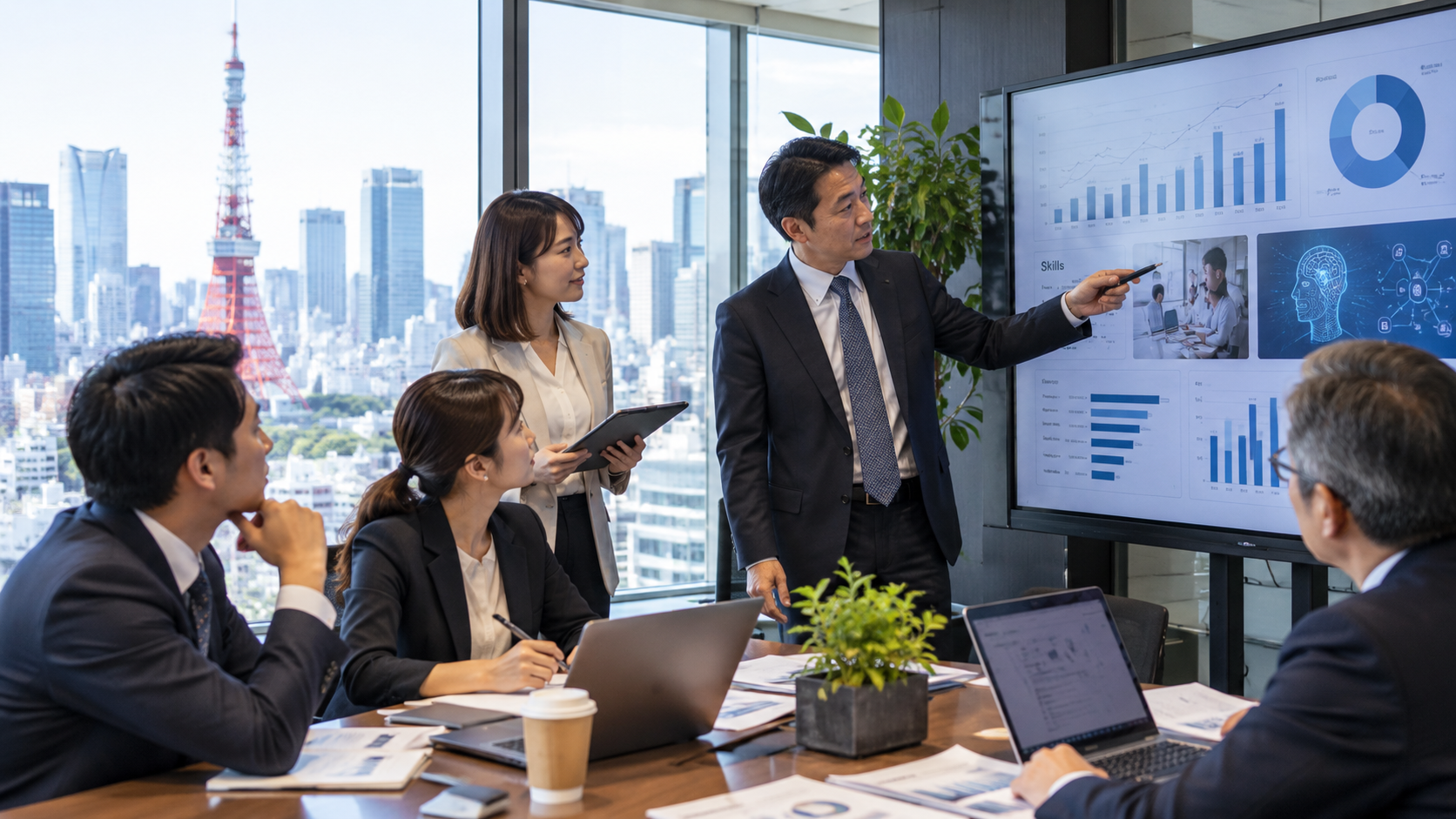
Hybrid work has changed the meaning of the workplace across the Philippines. For many employees, particularly those working in professional services, technology, shared services and other digitally enabled sectors, work is no longer automatically tied to one desk or one location. Employees may divide their week between corporate offices, home environments and other locations while continuing to work with colleagues across cities and countries. This flexibility can improve the employee experience, but it also introduces a challenge that deserves greater attention from HR leaders: employees should not receive different workplace opportunities simply because some are physically more visible than others.
The risk is subtle. Employees who regularly work from the office may naturally have more informal conversations with managers, participate in spontaneous discussions and encounter senior leaders more frequently. Remote colleagues may perform equally well while missing these small interactions. Over time, this difference can affect how employees access information, receive recognition and learn about opportunities. A successful hybrid model therefore needs to address more than productivity. It needs to ensure that flexibility does not unintentionally create two different classes of employee experience. For organizations in the Philippines, this issue is particularly relevant because flexibility can provide meaningful practical benefits. Commuting can consume significant time for employees in large urban areas, while organizations increasingly collaborate with teams distributed across regions and international markets. Hybrid arrangements can give employees greater control over their working day, but those benefits will be weakened if working remotely means becoming less visible to decision makers. HR leaders should therefore examine whether performance, recognition and career progression are genuinely based on contribution rather than physical presence.
Making Proximity Less Important Than Contribution
One way organizations can reduce proximity bias is by improving how information is shared. Important decisions, project updates and opportunities should not exist only in conversations that happen inside the office. Teams can document key information through shared digital platforms and establish communication practices that allow employees to access what they need regardless of location. Meetings can also be structured so remote participants are able to contribute meaningfully rather than simply observing a conversation dominated by people sitting together in one room. Managers have an especially important role in creating fairness. In hybrid environments, leaders need to evaluate employees through outcomes, collaboration and quality of contribution rather than how frequently someone is physically seen working. This requires clearer performance expectations and more intentional communication. Regular one-to-one discussions can help managers understand what remote and office-based employees are working on, recognize contributions that might otherwise remain less visible and identify development interests before employees begin to feel disconnected. Career development deserves similar attention. Employees working remotely should have the same opportunity to participate in mentoring, high-value projects, learning program and leadership exposure as colleagues who spend more time in the office. Organizations can review promotion and development patterns to understand whether location is unintentionally influencing opportunity. If office-based employees consistently receive greater access to important assignments, the organization may have a hybrid policy without having a genuinely hybrid employee experience.
Recognition can also become uneven when managers naturally remember the people they interact with most frequently. Hybrid teams therefore benefit from more deliberate recognition practices. Managers can acknowledge contributions based on measurable impact, teamwork, innovation and customer outcomes rather than relying on visibility. This creates a culture where employees understand that good work will be noticed regardless of where it is completed.
Creating Connection Without Requiring Constant Presence
Fairness does not mean eliminating the office. Physical workplaces can remain valuable spaces for collaboration, mentoring, relationship building and shared experiences. The challenge is giving office attendance a clear purpose. Employees are more likely to see value in travelling to a workplace when the day includes meaningful interaction rather than hours of individual computer work that could have been completed elsewhere. Team connection also needs to extend beyond formal meetings. Remote employees can gradually become disconnected when communication becomes entirely transactional. Managers can create opportunities for informal conversations, peer learning and collaborative problem solving without filling employees' calendars with unnecessary calls. The objective should be meaningful connection rather than simply increasing the number of digital interactions. Employee wellbeing should remain part of the hybrid conversation. Working remotely can remove commuting time, but it can also make working hours less visible. Employees may begin earlier, respond later and find it difficult to separate work from personal life. Philippine employers can support healthier hybrid working by establishing clear communication expectations and encouraging employees to disconnect outside agreed working periods. Flexibility works best when employees gain greater control over work rather than experiencing permanent availability.
HR teams should also listen to how different employees experience hybrid work. A working parent, an early-career employee, a manager and someone living alone may experience the same policy very differently. Regular feedback can help organizations understand where flexibility is working and where employees feel isolated, overlooked or overloaded. Rather than assuming one arrangement is suitable for everyone, organizations can use employee feedback to refine their approach while maintaining the requirements of each role and team. The future of hybrid work in the Philippines will therefore depend less on creating the perfect office-to-home ratio and more on creating a consistent employee experience across locations. Employees should be able to access information, contribute ideas, develop their careers and receive recognition without physical visibility becoming an unofficial advantage.
When organizations achieve this, hybrid work becomes more than a flexibility benefit. It becomes a different way of designing work one where contribution matters more than location, connection does not depend on proximity and employees have an equal opportunity to succeed wherever they happen to be working.