


Introduction
The global Human Resources landscape continues to evolve at remarkable speed. Across industries and regions, organizations are responding to economic shifts, digital transformation, talent shortages, and changing employee expectations.
In 2026, HR leaders are focused on building resilient organizations, attracting top talent, and creating workplaces that balance productivity with employee well being. From artificial intelligence in recruitment to stronger workplace flexibility, the latest global HR developments reflect a new era of people management.
Artificial Intelligence Becomes Mainstream in HR
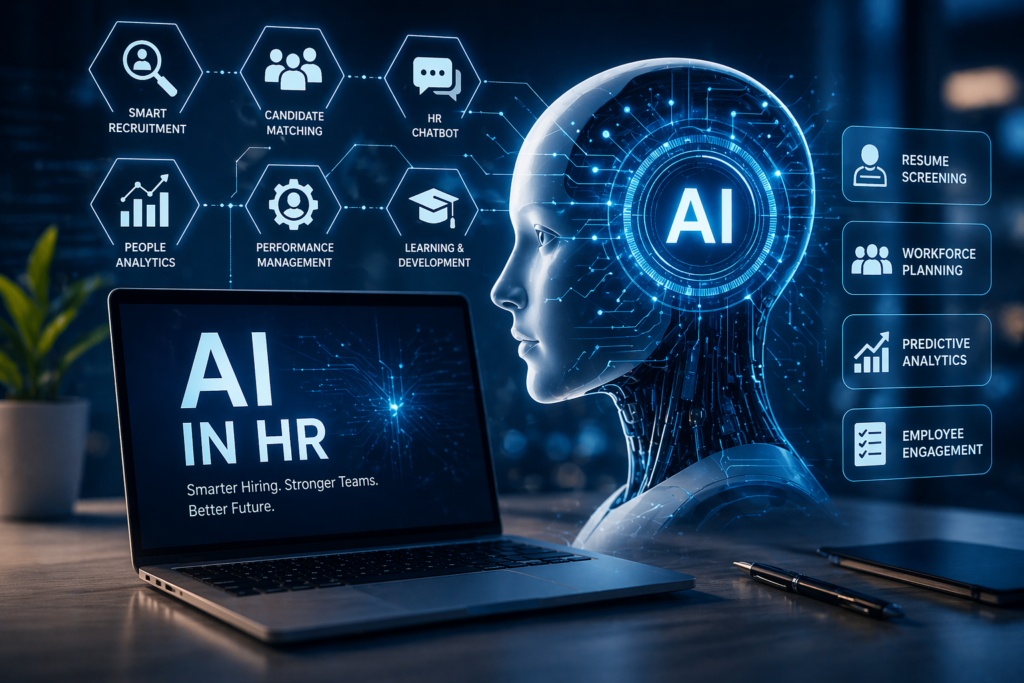
Artificial Intelligence is now firmly established within HR operations worldwide. Companies are using AI to improve recruitment processes, automate repetitive administrative tasks, and provide deeper workforce insights.
Common applications include candidate screening, employee helpdesk chat support, performance analytics, and predictive hiring trends.
While adoption is increasing, organizations are also prioritizing responsible AI practices. Transparency, fairness, and human oversight are becoming essential parts of digital HR strategies.
Flexible Work Models Continue to Expand
Hybrid and remote work remain central to workforce planning across many countries. Employees continue to value flexibility, and organizations are adapting policies to meet these expectations.
Many businesses are redesigning offices to support collaboration while allowing employees to work remotely when appropriate.
This trend is also influencing recruitment, as employers can now access talent from broader geographic markets without requiring relocation.
Global Talent Competition Intensifies
The demand for skilled professionals remains high in areas such as technology, healthcare, finance, engineering, and sales.
As a result, organizations are investing more heavily in employer branding, faster hiring processes, and competitive reward strategies.
HR teams are also focusing on retention by offering career growth opportunities, learning programs, and stronger workplace cultures.
In many sectors, attracting talent is no longer enough. Retaining high performers has become equally important.
Employee Well Being Gains Greater Priority
Employee well being has become a major topic in global HR strategy. Companies are expanding support for mental health, stress management, and work life balance.
Well being initiatives now commonly include flexible schedules, wellness allowances, counselling support, and manager training on burnout prevention.
Organizations increasingly recognize that healthy and engaged employees contribute directly to stronger business outcomes.
Skills Based Hiring Continues to Grow
Traditional hiring models based heavily on academic qualifications are gradually being replaced by skills based hiring approaches.
Employers are placing more value on practical ability, adaptability, and real world experience. This shift is opening opportunities for a wider talent pool while helping organizations address skill shortages more effectively.
Upskilling and reskilling programs are also becoming standard investments for future ready companies.
Diversity and Inclusion Remain Strategic Priorities
Global organizations continue to strengthen diversity and inclusion efforts through measurable actions rather than symbolic statements.
Many employers are reviewing hiring processes, leadership pipelines, pay equity, and workplace culture to ensure fair opportunities for all employees.
Inclusive workplaces are increasingly viewed as drivers of innovation, collaboration, and long term business success.
HR Technology Spending Increases
Investment in HR technology continues to rise as companies seek smarter and more connected systems.
Organizations are upgrading platforms for recruitment, payroll, employee engagement, learning management, and people analytics.
Integrated systems allow HR teams to make faster decisions, improve employee experiences, and manage workforce data more effectively across multiple locations.
Conclusion
The latest global HR news highlights one clear reality. Human Resources is now a strategic force driving business growth, workforce resilience, and organizational transformation.
Companies that embrace flexibility, invest in people, and adapt to changing global trends will be best positioned for success in the years ahead.
The future of work is already here, and HR is leading the way.