
Now Reading: Counting More Than Profits: How Sumali Wijesooriya Aligns Finance with People and Purpose
-
01
Counting More Than Profits: How Sumali Wijesooriya Aligns Finance with People and Purpose

Counting More Than Profits: How Sumali Wijesooriya Aligns Finance with People and Purpose


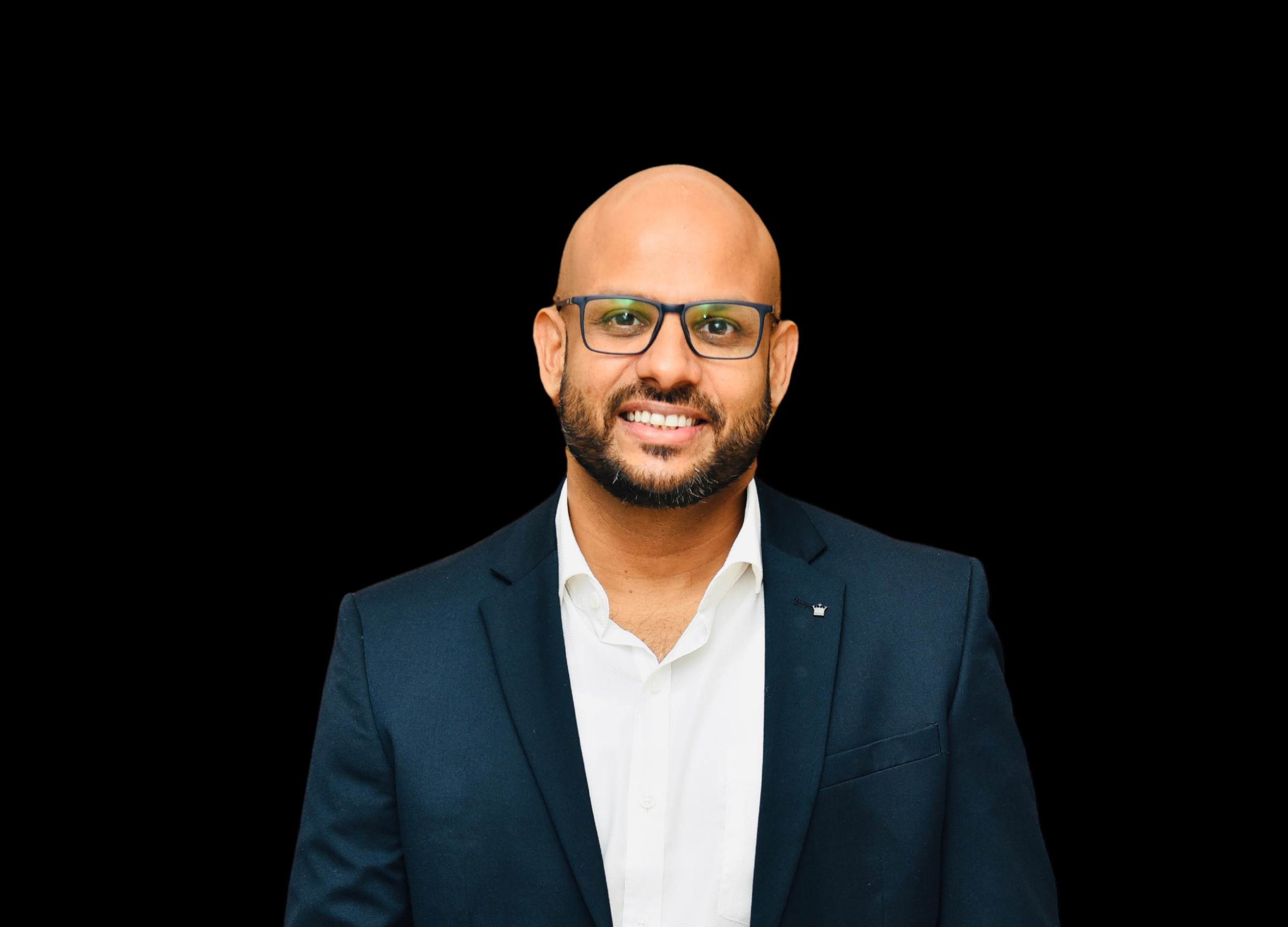
Finance is often viewed as the language of numbers, ratios, and spreadsheets. But for Sumali Weerasooriya, Group Chief Financial Officer of Sumathi Holdings, the real story lies behind those numbers. With responsibilities across industries ranging from technology and media to manufacturing and services, she recognizes that people and culture are the true drivers of financial performance.
As a finance leader, she sees her role as balancing two worlds: the rigor of financial discipline and the human side of business. For her, financial frameworks are not about restriction but about empowering teams to thrive within clear boundaries. By linking talent, sustainability, and financial literacy with disciplined governance, she is redefining what it means to be a CFO.
The Human Side of Financial Performance
In Sumali’s view, every number on a balance sheet is shaped by the people behind it. She believes employee engagement, capability, and well-being directly influence results. “When employees feel valued, understand the strategy, and have the right tools, productivity rises, innovation accelerates, and risks are better managed,” she notes.
This perspective positions culture and talent as financial levers. Strong revenue growth, healthier margins, and better managed cash flow stem not only from smart capital allocation but also from workplaces where employees can thrive. For her, investment in people is not a “soft” priority. It is a disciplined, measurable way to deliver sustainable performance and stronger outcomes.
Balancing Discipline with Flexibility Across a Group
Leading finance for a diversified group brings unique challenges. Sumathi Holdings spans multiple industries, each with its own cycles, risks, and capital requirements. “A one size fits all financial framework would limit potential,” she explains.
Instead, Sumali sets clear group wide guardrails: capital allocation principles, cash flow targets, and risk management standards. Within those boundaries, business units retain flexibility to pursue market opportunities suited to their industries.
The key to this approach is continuous dialogue. Finance teams partner closely with business leaders to ensure the numbers reflect operational realities while staying aligned with group strategy. This balance of accountability and flexibility allows Sumathi’s companies to grow while maintaining financial discipline across the group.
Risk and the Human Factor
Risk management is central to any CFO’s role, but Sumali emphasizes that people related risks deserve as much attention as financial ones. She highlights leadership succession, skills shortages driven by rapid technological change, employee wellbeing, culture and engagement, and ethics as areas often underestimated.
“We quantify these risks and embed them in the group’s risk framework,” she explains. By treating people risks with the same rigor as credit or market risks, Sumathi Holdings ensures that long term growth is protected. In her opinion, ignoring the human side of risk is no longer an option in a fast changing global business environment.
Raising Financial Literacy Across the Group
One of her early priorities is to build financial literacy throughout Sumathi Holdings. She believes that when employees understand how revenue, costs, and cash flow link to strategy, they make better decisions and feel more accountable.
Her plan includes embedding financial basics into onboarding and leadership development, introducing clear dashboards that show how each unit’s actions impact performance, and holding interactive workshops that connect financial data to daily operations.
“This isn’t just training, it’s a culture shift,” she says. By ensuring everyone speaks a common financial language, she is building a workforce that is financially aware, strategically aligned, and empowered to act in the best interests of the group.
“Investing in people is not a soft priority. It is a disciplined way to create sustainable performance and stronger financial outcomes.”
According to Sumali, sustainability is a three-way balance: financial, environmental, and social. Strong finances are essential to keeping the business engine running, but they must go hand in hand with how the organization manages its environmental footprint and how it cares for people and communities.
She is focused on embedding sustainability into everyday decisions: ensuring that investments are financially sound, designing energy efficiency and waste reduction into plans, and strengthening community engagement and fair employment practices. Her vision is to measure and report all three dimensions: financial, environmental, and social with the same discipline used for financial reporting.
By making sustainability a shared responsibility, she is positioning Sumathi Holdings to grow in a way that benefits both shareholders and society at large.
Leadership Beyond Numbers
As she settles into her role, Sumali Weerasooriya is committed to shaping a finance function that balances numbers with people, discipline with flexibility, and performance with purpose. She sees her contribution not only in financial outcomes but in fostering a culture where people, risks, and sustainability are recognized as critical to long term value.
To young finance professionals, her advice is both practical and inspiring:
“Break out of your comfort zone, stay curious, and never stop learning. Opportunities are limitless,” she reminds them.
True leadership, she believes, comes not only from technical skill but also from empathy and relationships. The combination of financial expertise and emotional intelligence is what creates lasting impact.
In this philosophy, the spreadsheets and metrics matter, but so do the people behind them. By leading with discipline, empathy, and vision, Sumali Weerasooriya demonstrates how finance, far from being only about numbers, can serve as a powerful driver of purpose and sustainable growth.
Previous Post
Next Post