
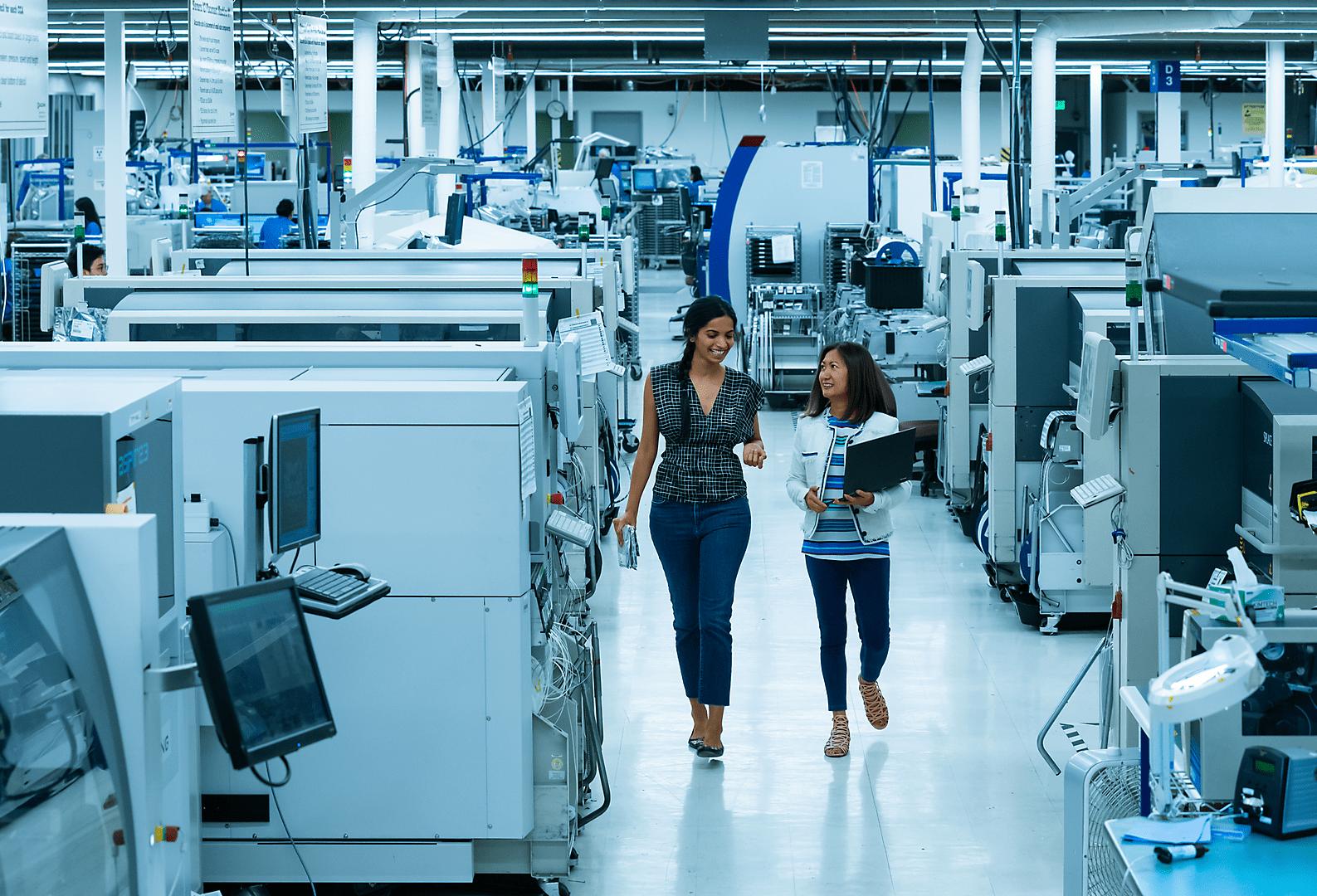
Vietnam’s emergence as one of Asia’s important manufacturing and investment destinations is creating a significant shift in the responsibilities of Chief Human Resources Officers. As international manufacturers expand operations, local companies modernize production systems, and digital technologies reshape industrial processes, HR leaders are being challenged to develop workforces capable of supporting a more sophisticated economy.
For many organizations, the traditional approach of recruiting employees to fill immediate operational vacancies is no longer sufficient. Businesses increasingly require workers who can operate advanced machinery, interpret production data, manage automated processes, and lead teams through technological change. These requirements place the CHRO at the center of business transformation, where decisions about talent development and workforce capabilities directly influence productivity, competitiveness, and long-term growth. The World Bank’s September 2025 Vietnam Economic Update emphasized that developing high-technology talent and strengthening connections between universities, industry, and government are important to the country’s long-term economic ambitions. This reinforces the strategic importance of workforce development for employers preparing for increasingly knowledge intensive industries.
The Changing Leadership Role of Vietnam’s CHROs
Vietnam’s manufacturing sector has historically benefited from a large workforce, expanding industrial investment, and strong participation in international supply chains. However, as companies pursue higher-value production and greater operational efficiency, their workforce needs are becoming more complex. Organizations must increasingly balance production capacity with technical knowledge, management capability, and continuous innovation. This transformation requires CHROs to develop a deeper understanding of business operations. Instead of measuring HR success primarily through recruitment numbers, payroll management, or employee retention, they must evaluate how workforce capabilities support production quality, operational resilience, and future investment plans. HR strategy must become closely connected to manufacturing technology, business expansion, and organizational performance. A CHRO working with a manufacturing company in Ho Chi Minh City, for example, may need to collaborate with production managers to identify which technical roles are likely to change as automation increases. Rather than waiting until skill shortages affect operations, the HR function can establish development pathways that prepare existing employees for emerging responsibilities.
Moving Beyond Recruitment Towards Workforce Capability
One of the most important questions facing Vietnam’s HR leaders is whether organizations can develop the specialized talent they need internally. Competition for engineers, automation specialists, quality professionals, and experienced managers can make external recruitment both challenging and expensive. While hiring remains essential, organizations that depend entirely on the external labor market may struggle to build sustainable capabilities. A more strategic approach involves identifying the skills already present within the organization and determining how employees can progress into roles requiring greater technical or leadership responsibility. Production operators with strong performance records may be suitable for advanced technical training, while experienced supervisors may be developed into production planning, operations management, or continuous improvement positions. This approach can create advantages beyond reducing recruitment costs. Employees who see clear professional development opportunities may become more committed to their organizations, while businesses benefit from retaining institutional knowledge and operational experience. For CHROs, internal talent development becomes a practical way to strengthen workforce stability while preparing for future growth.
Developing Local Leadership for Global Manufacturing Standards
As international organizations establish or expand operations in Vietnam, local leadership development becomes increasingly important. Manufacturing facilities operating within global supply chains must often maintain demanding expectations concerning productivity, safety, quality assurance, environmental responsibility, and reporting accuracy. Local managers therefore need both technical expertise and the leadership skills required to operate within complex business environments. CHROs have an important role in identifying employees with leadership potential and preparing them to manage larger responsibilities. This may involve structured mentorship, cross-functional assignments, international exposure, management training, and opportunities to participate in strategic business projects. Effective programs should develop communication, decision making, problem-solving, and people management capabilities alongside technical competence.
Developing local leaders can also strengthen organizational continuity. Companies that depend heavily on a small group of senior specialists or expatriate managers may face difficulties when those individuals leave. By creating strong local succession pipelines, CHROs can help organizations maintain operational knowledge, improve decision-making, and develop a more sustainable leadership structure.
Making Reskilling Part of Everyday Business Operations
The introduction of automation, artificial intelligence, and digitally connected production systems is changing the nature of work across Asia. In Vietnam, these developments create opportunities to increase efficiency and improve manufacturing competitiveness, but they also require organizations to reconsider how employees are trained and supported. The International Labor Organization’s 2025 research on Vietnam’s textile and garment industry highlighted the importance of stronger workforce skills, technological innovation, and sustainable production practices. Its recommendations point towards closer cooperation between employers, training institutions, and industry stakeholders. For CHROs, the challenge is to make learning part of normal business operations rather than an occasional HR activity. Employees need access to practical development opportunities that reflect the technologies and processes used in their workplaces. Technical training, supervised learning, job rotation, and collaboration with vocational institutions can help organizations build capabilities while maintaining operational continuity. Successful reskilling initiatives should also involve employees in the transition process. When workers understand why new capabilities are required and how learning can improve their career opportunities, organizations may find it easier to build confidence and support for technological change.
Strengthening Employee Trust During Industrial Transformation
Workforce transformation is not simply a technical or operational process. It also has important implications for employee confidence, workplace relationships, and organizational culture. When businesses introduce new technology or restructure production activities, employees may become concerned about job security, performance expectations, or their ability to adapt.
CHROs must therefore ensure that change management includes clear communication, fair workforce practices, and meaningful employee participation. Managers should explain how operational changes affect existing responsibilities, what development opportunities will be available, and how employees can prepare for future roles.
This is particularly important in manufacturing environments, where large groups of employees may work across different shifts, facilities, or geographical locations. Consistent communication from supervisors and HR teams can reduce uncertainty and support a more constructive workplace culture.
Organizations that invest in employee trust alongside technical development are better positioned to manage transformation without unnecessarily disrupting workforce stability. For HR leaders, maintaining this balance is an essential part of responsible business leadership. As HR becomes more closely connected to business strategy, CHROs must demonstrate how workforce initiatives contribute to organizational outcomes. Training participation and the number of completed learning programmes may provide useful administrative information, but they do not necessarily show whether employees have gained capabilities that improve business performance. A more effective measurement approach connects workforce development with operational results. Manufacturing companies may examine whether technical training contributes to fewer production errors, improved equipment utilization, stronger quality performance, or greater internal promotion readiness. Leadership development programmes can also be assessed through team performance, employee retention, and the availability of qualified successors for critical positions. Workforce analytics can help CHROs identify trends across departments and facilities. By examining employee skills, turnover patterns, training effectiveness, and future staffing requirements, HR leaders can provide management teams with information that supports more informed investment decisions. The objective is not to reduce employee development to financial calculations, but to demonstrate that strengthening workforce capabilities creates value for both organizations and employees.
Creating Long-Term Partnerships for Talent Development
Vietnam’s ambition to strengthen its position in higher-value industries will require cooperation beyond individual organizations. Businesses, universities, vocational training institutions, and industry associations all have important roles in preparing workers for evolving employment opportunities. CHROs can contribute by establishing partnerships that connect education with practical workplace requirements. Internship program, apprenticeships, technical training initiatives, and industry supported learning opportunities can help students develop relevant capabilities before entering full time employment. These relationships can also provide organizations with better visibility into emerging talent pools and future skills availability. Rather than treating education and recruitment as separate activities, forward-looking HR leaders can help create a continuous connection between learning, employment, and career progression.
The Future of CHRO Leadership in Vietnam
Vietnam’s next stage of economic development will depend not only on industrial investment and technological advancement but also on the ability of organizations to develop the people required to support those changes. As manufacturing becomes more advanced and competition for specialized talent continues, workforce capability will remain an important source of business differentiation. For CHROs, this presents an opportunity to move beyond traditional HR administration and become influential partners in organizational development. By strengthening internal career pathways, developing local leaders, supporting continuous learning, and aligning workforce strategy with business priorities, HR leaders can help organizations build lasting resilience. The most important transformation may ultimately be a change in how businesses define talent. Rather than viewing employees primarily in terms of the positions they currently hold, successful organizations will increasingly recognize the capabilities they can develop and the contributions they can make in the future. For Vietnam’s CHROs, building a skills-ready workforce is therefore not simply a response to technological change. It is a strategic investment in the next generation of business leaders and in the long-term competitiveness of the country’s industrial economy.


Comments 0
Share a thoughtful perspective with the HR360 community.
Be the first to share your perspective.