
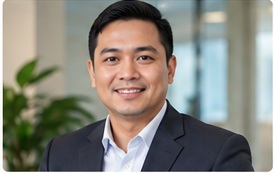

Japan’s changing demographic landscape is creating one of the most significant workforce leadership challenges facing organizations in Asia. With an ageing population, a shrinking working-age workforce, and increasing demand for specialized skills, Japanese businesses are being encouraged to reconsider how they attract, develop, and retain talent across different generations. For Chief Human Resources Officers, this transformation goes beyond traditional recruitment and retirement planning, requiring a fundamental reassessment of workforce design, leadership development, and long-term organizational sustainability. In major business centers such as Tokyo, Osaka, and Nagoya, organizations operating in manufacturing, financial services, technology, healthcare, and professional services are navigating the challenge of maintaining productivity while preparing younger employees to assume critical responsibilities. Experienced professionals often possess extensive institutional knowledge, technical expertise, and long standing business relationships that cannot easily be replaced through external recruitment. At the same time, younger employees may bring new perspectives on digital technology, flexible working arrangements, career mobility, and modern leadership practices. Successful CHROs must find ways to connect these complementary strengths rather than allowing generational differences to create divisions within the workplace. This involves developing workforce strategies that recognize the contributions of employees at different career stages while ensuring that opportunities for learning, advancement, and meaningful participation remain accessible. As Japanese companies gradually reconsider traditional seniority based career progression and lifetime employment practices, HR leaders have an opportunity to introduce more flexible talent management approaches that balance organizational stability with innovation. The objective is not simply to extend working careers or increase employee retention but to establish workforce structures in which knowledge, capabilities, and leadership responsibilities can move effectively between generations.
One of the most important responsibilities for Japan’s CHROs is ensuring that valuable knowledge remains within organizations as experienced employees transition towards retirement or different working arrangements. In industries such as automotive manufacturing, engineering, industrial technology, and financial services, specialized expertise is frequently developed through years of practical experience, making structured knowledge transfer essential for operational continuity. Forward looking HR leaders can address this challenge by introducing mentoring programmes, collaborative project assignments, phased retirement arrangements, and opportunities for senior professionals to serve as technical advisers or internal trainers. Rather than treating older employees solely as individuals approaching the end of their careers, organizations can recognize them as important contributors to leadership development and professional capability building. At the same time, younger professionals should be provided with meaningful responsibilities, digital learning opportunities, and access to experienced mentors who can support their development. Reverse mentoring can also become valuable, allowing younger employees to share knowledge about emerging technologies, digital collaboration, and evolving customer expectations with senior colleagues. Such initiatives can encourage mutual respect while reducing communication barriers between age groups. However, successful multigenerational workforce management requires more than individual development programmes. CHROs must also examine whether performance evaluation systems, promotion practices, workplace policies, and management expectations support employees fairly across different career stages. Flexible work arrangements, continuous learning opportunities, and skills based career progression can help create a more inclusive environment while supporting productivity. For Japanese businesses seeking to remain competitive in regional and international markets, the ability to combine established expertise with emerging capabilities may become an increasingly important source of organizational strength.
Looking ahead, Japan’s workforce transformation will require CHROs to take a more influential position in corporate decision-making, particularly as organizations respond to demographic pressures through digitalization, automation, and new approaches to workforce participation. Technology can help businesses improve efficiency and reduce dependence on repetitive manual processes, but successful implementation depends on employees having the skills and confidence to work alongside new systems. HR leaders therefore need to ensure that technological investment is supported by practical reskilling initiatives, thoughtful job redesign, and communication strategies that help employees understand how their roles may evolve. Equally important is the development of leaders capable of managing teams with different professional experiences, expectations, and working preferences. Managers must be equipped to encourage collaboration, evaluate performance fairly, and create environments in which employees feel comfortable sharing knowledge and contributing ideas regardless of age or seniority. CHROs can strengthen these efforts by integrating workforce demographics, succession planning, employee development, and organizational capability assessments into long-term business strategies. Companies that monitor future retirement patterns, identify critical knowledge dependencies, and build internal leadership pipelines will be better prepared to respond to workforce transitions without compromising operational performance. Japan’s experience also offers lessons for other Asian economies preparing for similar demographic changes, including South Korea, Singapore, and Thailand. Ultimately, the future of HR leadership in Japan will depend on an organization’s ability to see demographic change not only as a workforce challenge but also as an opportunity to redesign how people contribute throughout their careers. By connecting the experience of established professionals with the ambition and adaptability of emerging talent, CHROs can help create resilient organizations where different generations work together to support innovation, business continuity, and sustainable growth.

Comments 0
Share a thoughtful perspective with the HR360 community.
Be the first to share your perspective.