

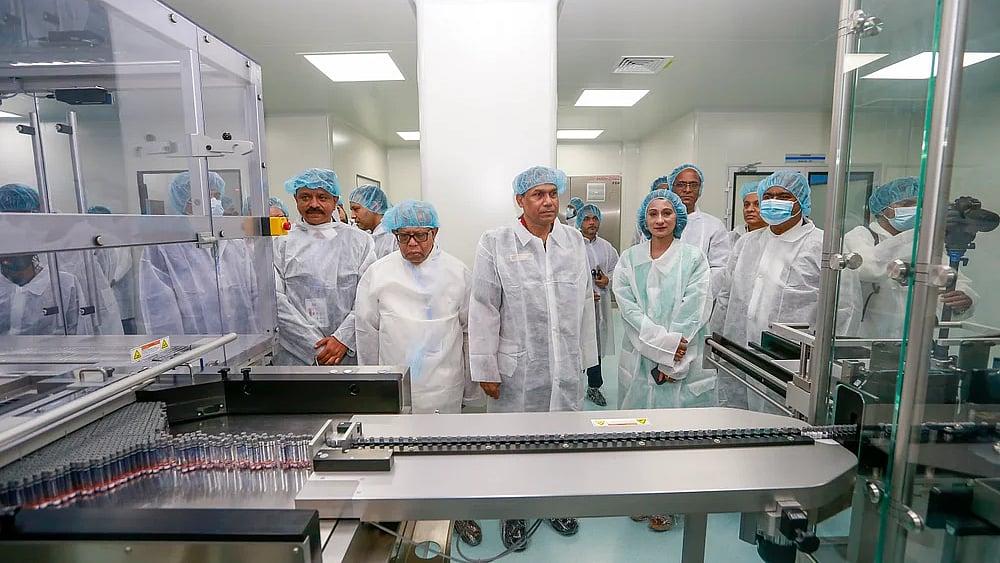
Bangladesh’s pharmaceutical industry has become an important contributor to the country’s industrial development, supporting domestic healthcare requirements while creating opportunities for manufacturing expansion, scientific innovation, and international business growth. As pharmaceutical companies strengthen their production capabilities, invest in advanced manufacturing technologies, and respond to increasingly demanding quality expectations, senior executives are recognizing that sustainable business performance depends on more than modern facilities, manufacturing capacity, and operational efficiency. It also requires highly capable employees who understand technical processes, regulatory responsibilities, quality management, and the importance of continuous improvement. In this illustrative executive interview, the central leadership discussion focuses on how Bangladeshi pharmaceutical organizations can develop future leaders while maintaining the technical expertise and operational discipline required in a highly regulated industry. From the perspective of a senior pharmaceutical executive, workforce development should begin with a clear understanding of how employee capabilities influence product quality, production reliability, and organizational competitiveness. In manufacturing centers around Dhaka, Gazipur, and Narayanganj, pharmaceutical businesses rely on professionals working across production, research and development, quality assurance, quality control, engineering, regulatory affairs, and supply chain management. Each of these functions contributes to the successful operation of the business, yet opportunities for professional development and leadership progression may differ considerably between departments. An experienced quality assurance professional, for example, may possess extensive knowledge of manufacturing standards and compliance requirements but require additional management training before progressing into a departmental leadership position. Similarly, a production supervisor with strong technical capabilities may benefit from exposure to strategic planning, workforce coordination, and organizational decision making. The executive perspective presented here emphasizes that leadership potential should be identified through a combination of professional expertise, communication capabilities, problem solving skills, accountability, and the ability to develop others. Rather than promoting employees exclusively based on seniority or technical performance, organizations can create structured development pathways that prepare capable professionals for broader responsibilities. This approach enables pharmaceutical companies to strengthen their internal leadership pipelines while preserving valuable technical knowledge and reducing excessive dependence on external recruitment. For Bangladesh’s pharmaceutical executives, investing in employee development is therefore not simply an HR initiative but an essential component of long term business resilience and industrial competitiveness.
A second important theme in this executive perspective concerns the relationship between workplace culture, employee confidence, and operational excellence within pharmaceutical manufacturing environments. Unlike many other industries, pharmaceutical production requires exceptionally consistent processes, accurate documentation, strict quality controls, and close coordination between technical and operational teams. Employees must understand that even minor deviations from established procedures can create significant consequences for product quality, regulatory compliance, and patient safety. From an executive leadership standpoint, maintaining these standards requires more than implementing detailed operating procedures or conducting routine inspections. It requires a workplace culture where employees understand their responsibilities, communicate concerns openly, and feel confident raising potential quality issues without unnecessary fear of criticism or retaliation. HR leaders and senior managers can strengthen this culture by investing in leadership development programs that emphasize accountability, ethical decision making, constructive communication, and collaborative problem solving. Department heads and production managers should be encouraged to create environments where employees can discuss operational challenges, identify opportunities for improvement, and request additional guidance when required. In a pharmaceutical manufacturing facility in Gazipur, for example, an equipment maintenance professional may identify an emerging technical concern that could influence production consistency. When managers encourage employees to communicate these observations promptly, the organization may be better positioned to prevent operational disruption and protect quality standards. However, employees are more likely to participate actively when they believe their professional judgement will be respected and their concerns will receive appropriate attention. This highlights the importance of building trust between management teams and employees at every organizational level. Continuous learning should also remain central to workforce strategy because pharmaceutical manufacturing practices, digital technologies, and regulatory expectations continue to evolve. Technical training, practical mentoring, cross departmental collaboration, and professional development opportunities can help employees adapt while strengthening organizational capabilities. Companies should also recognize the importance of developing professionals who can bridge the gap between scientific expertise and business management. Individuals with strong technical backgrounds may eventually assume responsibilities involving budgeting, employee development, operational planning, or strategic decision making. Preparing them for these transitions requires structured leadership exposure rather than expecting managerial capabilities to develop automatically through experience. By combining technical excellence with supportive leadership practices, Bangladesh’s pharmaceutical companies can strengthen employee engagement, improve communication, and establish more resilient operating environments.
Looking ahead, the future of executive leadership in Bangladesh’s pharmaceutical industry will increasingly depend on how effectively organizations connect talent development with innovation, digital transformation, and international competitiveness. As companies explore advanced manufacturing systems, laboratory automation, digital quality management, and data supported operational planning, employees will need opportunities to develop capabilities that extend beyond traditional technical responsibilities. In this illustrative executive discussion, the most important leadership challenge is not simply introducing new technologies but ensuring that professionals possess the knowledge, confidence, and organizational support required to use them effectively. Senior executives and HR leaders should therefore collaborate closely with manufacturing specialists, research teams, and technical managers to anticipate emerging workforce requirements and create practical development opportunities. Partnerships with universities, scientific institutions, and professional training providers can support the development of specialized talent while strengthening the connection between education and industry requirements. Organizations can also benefit from structured succession planning that identifies employees with the potential to assume critical technical and managerial responsibilities. Such initiatives become particularly valuable when experienced professionals retire, move into regional positions, or pursue opportunities elsewhere. Workforce analytics can support these decisions by helping leadership teams evaluate employee capabilities, identify knowledge gaps, assess internal promotion readiness, and monitor retention trends within specialized departments. Nevertheless, the effectiveness of people strategy cannot be measured solely through numerical indicators. Executives must also understand whether employees experience meaningful career development, receive appropriate managerial support, and feel confident about their professional futures. A strong workplace culture should encourage continuous improvement while maintaining the discipline and accountability required for pharmaceutical operations. Leadership teams must demonstrate these principles through fair promotion practices, transparent communication, responsible decision making, and consistent investment in employee development. For Bangladesh’s pharmaceutical businesses seeking to expand their capabilities and strengthen their positions in regional and international markets, developing skilled professionals and future leaders will remain an essential strategic priority. The broader lesson for business executives across Asia is that sustainable industrial growth depends on the relationship between technical capability and human potential. Organizations that invest in both are better positioned to adapt to technological change, maintain operational excellence, and create opportunities for the next generation of professionals. Ultimately, the future of Bangladesh’s pharmaceutical industry will be shaped not only by the medicines it manufactures or the markets it serves, but also by the leaders it develops and the people whose expertise supports every stage of its success.


Comments 0
Share a thoughtful perspective with the HR360 community.
Be the first to share your perspective.