

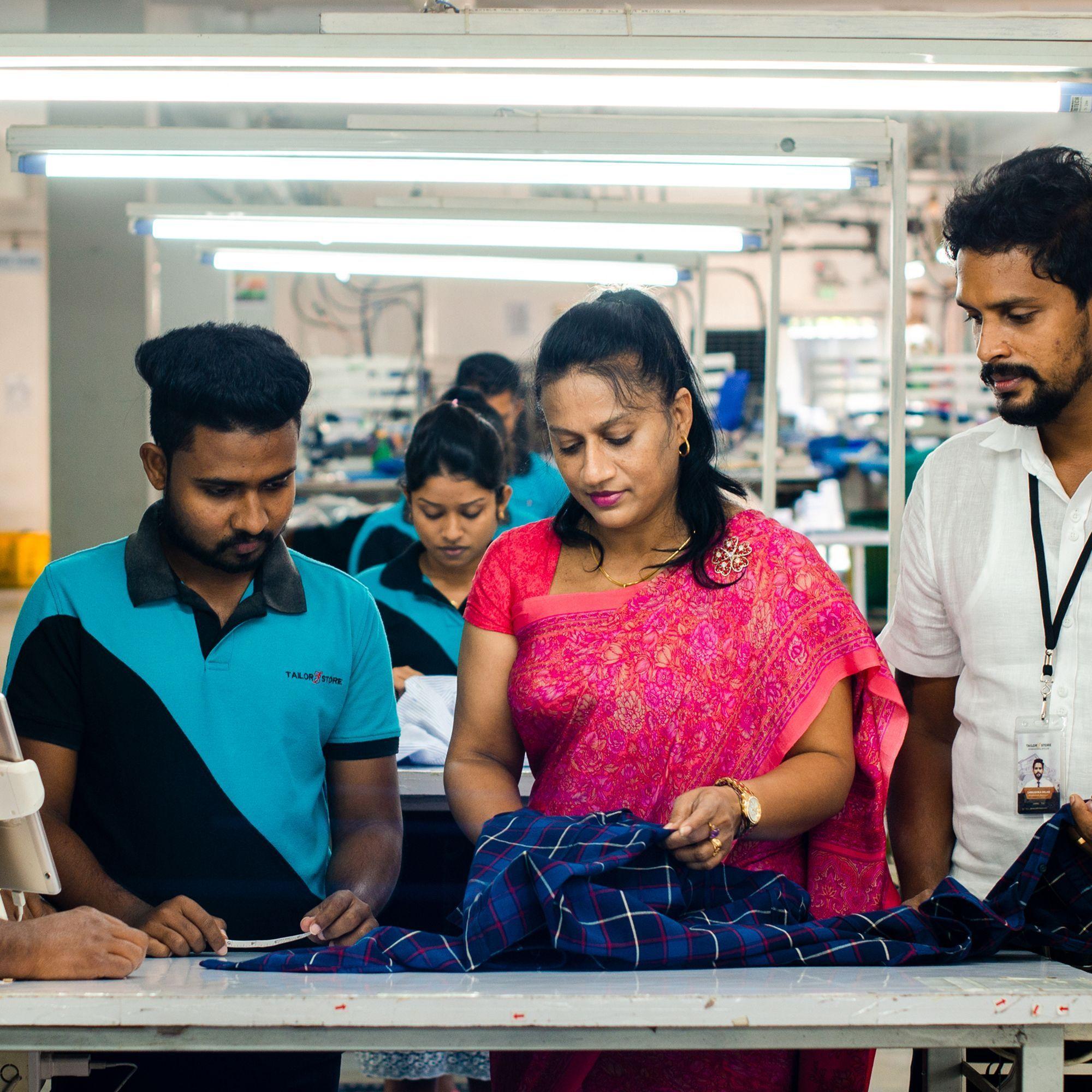
Sri Lanka’s apparel manufacturing industry has long played a significant role in the country’s export economy, providing employment opportunities for thousands of professionals across production, quality assurance, merchandising, supply chain management, engineering, and corporate operations. Women represent an important part of this workforce, particularly within garment production facilities, yet creating stronger pathways for female employees to progress into technical, managerial, and executive leadership positions remains an important opportunity for the industry. As apparel businesses respond to changing international buyer expectations, technological advancements, sustainability requirements, and increasing pressure to maintain operational efficiency, leadership teams are recognizing that future competitiveness depends not only on manufacturing capabilities but also on how effectively organizations develop their people. In this illustrative executive interview, the central discussion explores how Sri Lankan apparel companies can move beyond traditional workforce management and establish more inclusive approaches to leadership development. From the perspective of a senior apparel industry executive, employee empowerment should not be limited to workplace recognition programs or corporate diversity commitments. It must be reflected in practical decisions concerning recruitment, training, promotion, performance evaluation, and access to leadership opportunities. Within manufacturing locations such as Katunayake, Biyagama, Koggala, and other industrial regions, many experienced female employees possess valuable operational knowledge developed through years of managing production processes, maintaining quality standards, and supporting factory performance. However, moving from operational roles into supervisory or management positions may require additional opportunities to strengthen communication, decision making, technical knowledge, and leadership confidence. Business leaders therefore have an important responsibility to identify potential at every level of the workforce rather than focusing leadership development exclusively on employees who already occupy managerial positions. Structured development programs, practical mentoring, and transparent promotion pathways can help talented professionals progress while allowing organizations to retain valuable institutional knowledge. The executive perspective presented here emphasizes that a more inclusive leadership culture should be viewed as a strategic business priority, with the potential to strengthen employee engagement, operational stability, and long term organizational performance.
A second important theme in this executive perspective concerns the challenges women may encounter when balancing professional advancement with family responsibilities, workplace expectations, and the demands of manufacturing operations. Apparel production environments frequently operate according to demanding delivery schedules, seasonal order volumes, and strict quality requirements, creating operational pressures that can influence employees’ career decisions. For women seeking to advance into supervisory, technical, or senior management positions, additional responsibilities may involve extended working hours, increased travel, or greater accountability for production outcomes. Without appropriate organizational support, these demands may discourage capable employees from pursuing leadership opportunities even when they possess the necessary expertise and professional ambition. From an executive leadership standpoint, building a sustainable talent pipeline requires organizations to examine the practical barriers that can prevent employees from progressing. Policies relating to flexible working arrangements where operationally possible, maternity support, safe transportation, fair promotion practices, and professional development opportunities can contribute to a more supportive employment environment. However, the responsibility for inclusion should not rest exclusively with HR departments. Factory managers, production leaders, department heads, and senior executives must actively contribute to creating workplaces where professional capability is recognized regardless of gender. Mentorship can play a particularly valuable role by connecting emerging female leaders with experienced managers who can provide career guidance, practical advice, and exposure to broader business responsibilities. For example, an experienced production team leader in a Sri Lankan garment factory may benefit from opportunities to participate in production planning discussions, operational improvement projects, or leadership development programs that prepare her for an assistant production manager position. Similarly, female professionals working in merchandising, finance, engineering, and quality assurance should have access to career pathways that extend into strategic management roles. Developing such opportunities requires consistent evaluation of employee capabilities, clear communication regarding promotion requirements, and leadership accountability for talent development outcomes. The executive perspective also highlights the importance of workplace culture, particularly the need to establish environments where employees feel respected, confident in expressing ideas, and supported when taking on greater responsibilities. When organizations encourage participation and recognize contributions from employees across different operational levels, they can strengthen both individual career development and collective business performance.
Looking ahead, Sri Lanka’s apparel industry has an opportunity to demonstrate how inclusive people strategies can contribute to industrial competitiveness, workforce resilience, and sustainable economic development. As international fashion brands continue to evaluate manufacturing partners based on quality, reliability, responsible business practices, and supply chain performance, local apparel companies must strengthen the capabilities of both their employees and management teams. In this illustrative executive discussion, the future of leadership is closely connected to the ability of organizations to create workplaces where talent can develop through continuous learning, professional experience, and meaningful career progression. Technological advancements in garment production, digital merchandising, automated quality management, and supply chain coordination will create additional opportunities for employees to develop specialized capabilities. HR leaders and business executives should therefore work together to ensure that women have equal access to relevant technical training, digital learning, and emerging professional roles. Workforce planning should also consider how experienced employees can transition into higher responsibility positions through targeted development programs, internal mobility, and leadership succession initiatives. Measuring progress will require organizations to look beyond general employment statistics and evaluate the representation of women within supervisory roles, technical departments, middle management, and executive leadership. Employee feedback, promotion trends, retention patterns, and participation in professional development programs can provide valuable insights into whether inclusion strategies are delivering meaningful outcomes. Nevertheless, lasting progress depends on the commitment of senior leadership to embed fairness and opportunity into everyday business decisions. Executives must demonstrate that inclusive leadership is not simply a corporate statement but an operational principle that influences how employees are managed, developed, and recognized. For Sri Lankan apparel manufacturers seeking to maintain strong positions within international supply chains, investing in female leadership can help create a more capable, adaptable, and engaged workforce. The broader lesson for business leaders across Asia is that sustainable organizational growth requires the recognition and development of talent wherever it exists. By creating pathways that allow women to advance from production floors into strategic leadership positions, Sri Lanka’s apparel industry can build stronger organizations while contributing to a future in which professional opportunity, employee empowerment, and business success are closely connected.


Comments 0
Share a thoughtful perspective with the HR360 community.
Be the first to share your perspective.