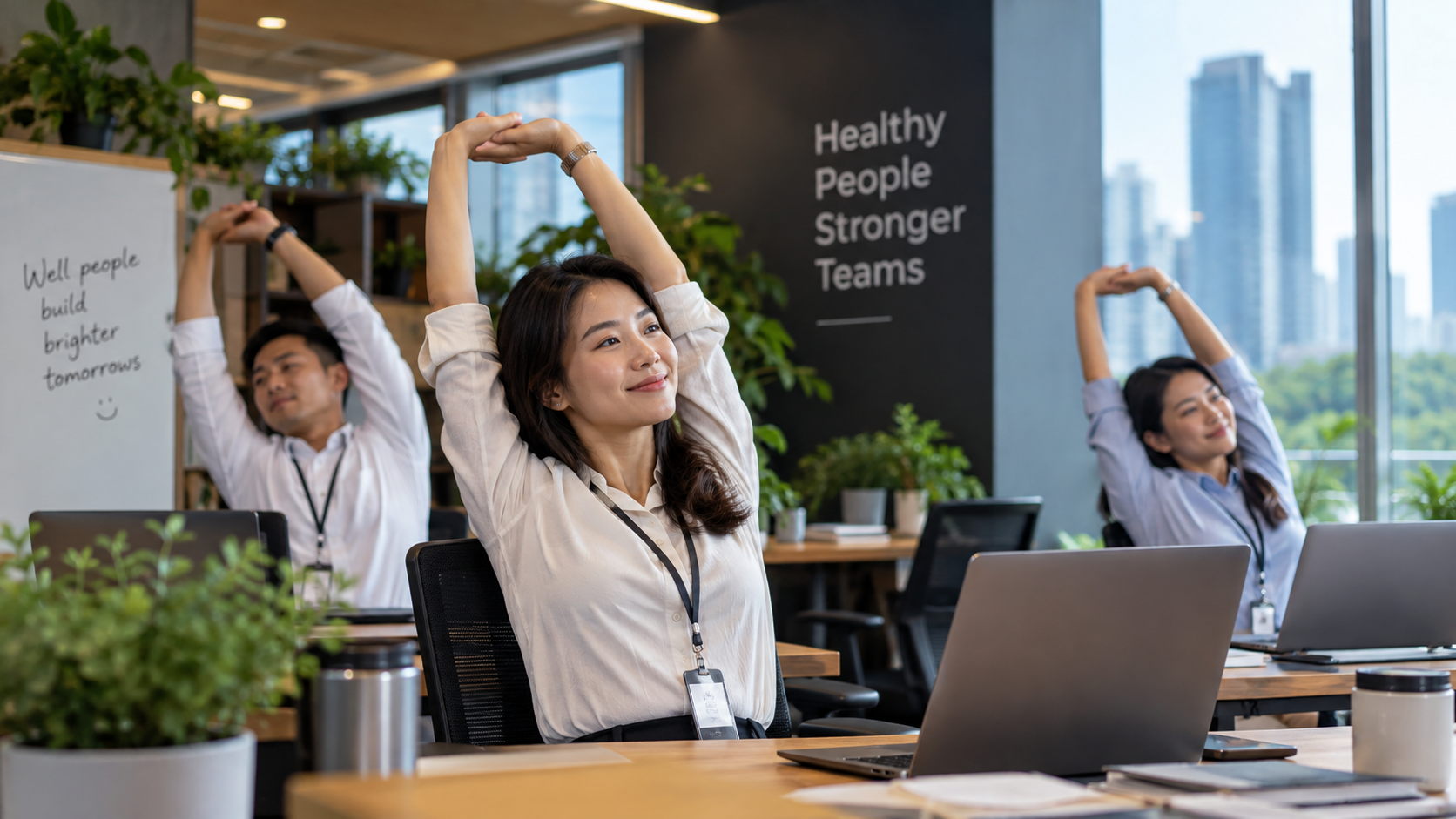
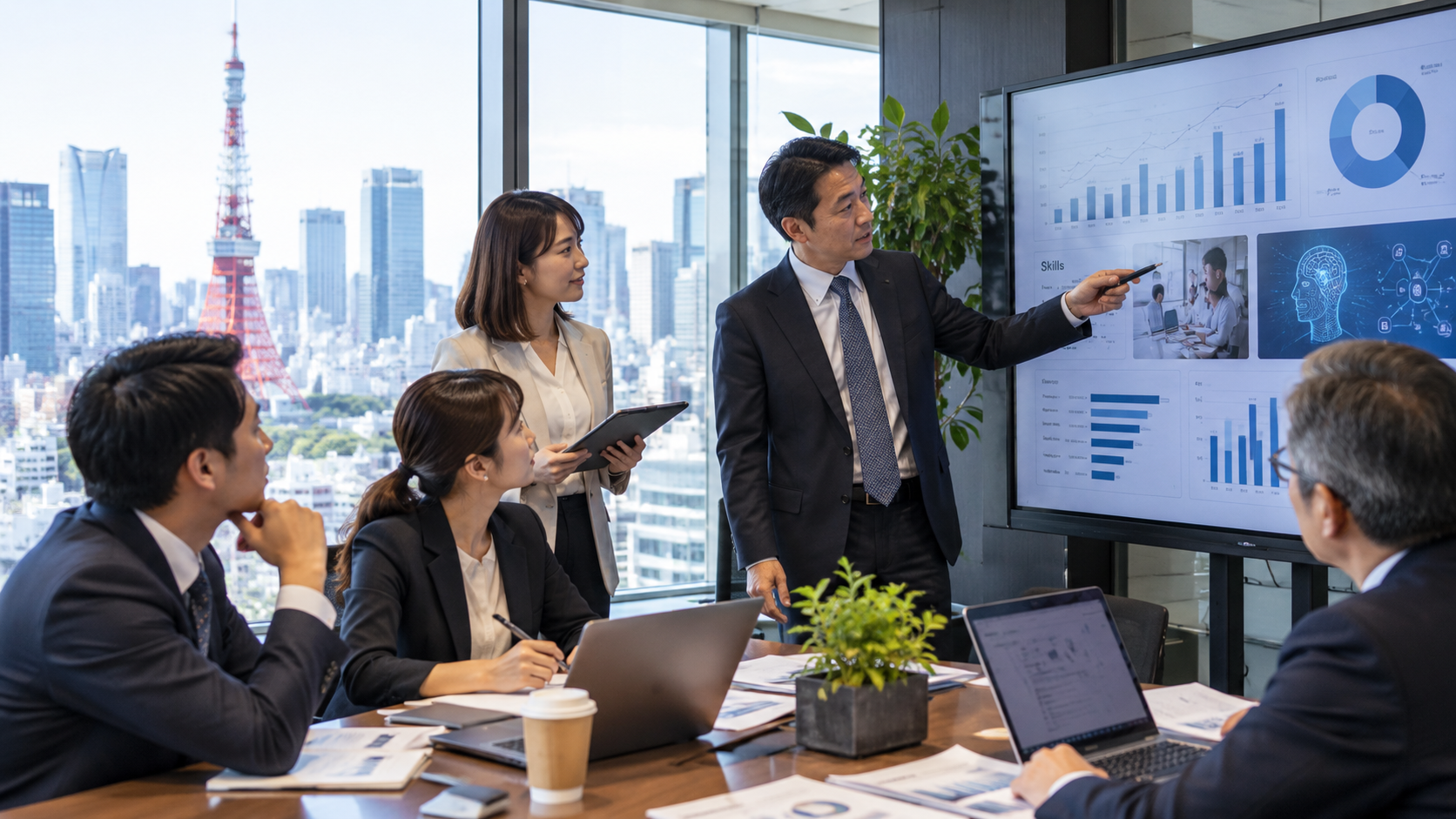
Employee wellbeing is becoming a strategic workforce issue rather than simply an HR benefit. Across Malaysia, organizations are managing increasingly diverse workforces while adapting to digital transformation, hybrid working models, changing employee expectations and greater competition for skilled talent. In this environment, wellbeing cannot be separated from the way employees experience their jobs. For HR leaders, the challenge is shifting from reactive wellness initiatives to a workplace strategy that supports people before exhaustion, disengagement or burnout becomes a problem.
Wellbeing Begins With the Employee Experience
A wellbeing program can include counselling, health screenings, fitness activities and employee assistance. These initiatives can be useful, but they represent only one part of the employee experience. An employee may have access to excellent wellness benefits while still experiencing unclear expectations, excessive workloads, poor communication or little control over how work is completed. A stronger wellbeing strategy therefore starts by examining the work environment itself. HR teams can consider workload distribution, role clarity, management practices, flexibility and opportunities for employees to speak openly about workplace challenges.
Managers have an enormous influence on how employees experience work. They determine priorities, distribute workloads, provide feedback and often decide whether employees feel comfortable raising concerns. This makes manager capability an important part of Malaysia's evolving wellbeing conversation. Rather than expecting managers to become mental health specialists, organizations can equip them with practical people management skills: recognizing signs of sustained pressure, holding regular conversations, setting realistic expectations and knowing when professional support may be appropriate. Good management can prevent many workplace pressures from becoming larger problems.
Employees should be able to raise concerns, admit mistakes and contribute ideas without unnecessary fear of embarrassment or retaliation. This is particularly important as Malaysian organizations become more collaborative and innovation driven. Psychological safety does not mean eliminating accountability. Instead, it creates an environment where employees can communicate problems early enough for the organization to respond. HR leaders can encourage this by developing managers who listen, establishing confidential feedback channels and ensuring employees see visible action when legitimate workplace concerns are raised.
Flexibility Should Support Different Employees
There is no single definition of work-life balance. Employees at different stages of life may have very different needs. Younger professionals might priorities learning and career development. Parents may value scheduling flexibility, while employees caring for ageing family members may require different forms of support. A modern wellbeing strategy therefore benefits from flexibility rather than assuming one program will work equally well for everyone. Hybrid arrangements, flexible scheduling and outcome based working practices can form part of that strategy where the nature of the role allows them.
Technology is transforming Malaysian workplaces, but digital efficiency can also create new pressures. Constant notifications, back-to-back virtual meetings and expectations of immediate responses can gradually extend the working day. HR teams should therefore consider digital wellbeing when developing workplace policies. Simple practices such as clearer communication expectations, protected focus time, sensible meeting cultures and boundaries around after-hours communication can help technology improve productivity without allowing permanent connectivity to become the organizational norm.
Wellbeing should not be measured only by participation in wellness program. Organizations can examine employee engagement, absenteeism, turnover, workload perceptions, manager effectiveness and employee feedback to understand whether workplace conditions are genuinely improving. Short pulse surveys can also help HR identify emerging problems earlier. More importantly, employees need to see that their feedback produces action. Repeated surveys without visible improvements can weaken trust rather than strengthen it.
The future of workplace wellbeing in Malaysia will increasingly depend on how organizations design work, develop managers and build their cultures. Wellbeing should not begin when an employee reaches burnout. It should begin much earlier with realistic expectations, supportive leadership, meaningful flexibility, healthy communication and an environment where people can perform without sacrificing their long term wellbeing. For Malaysian employers competing for skilled people, this approach can make wellbeing more than an employee initiative. It can become part of building a resilient organization capable of sustaining performance as the workplace continues to change.