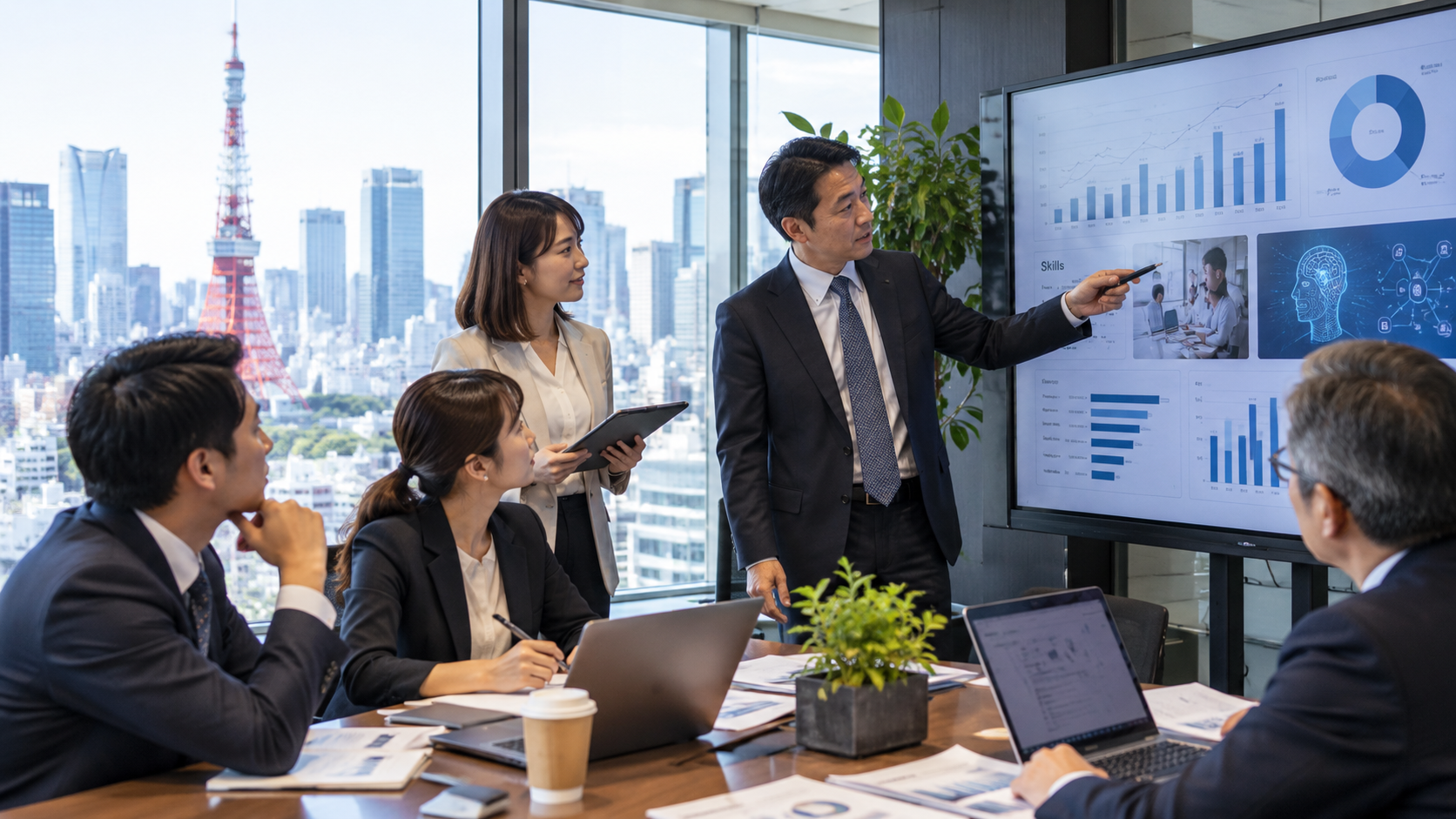
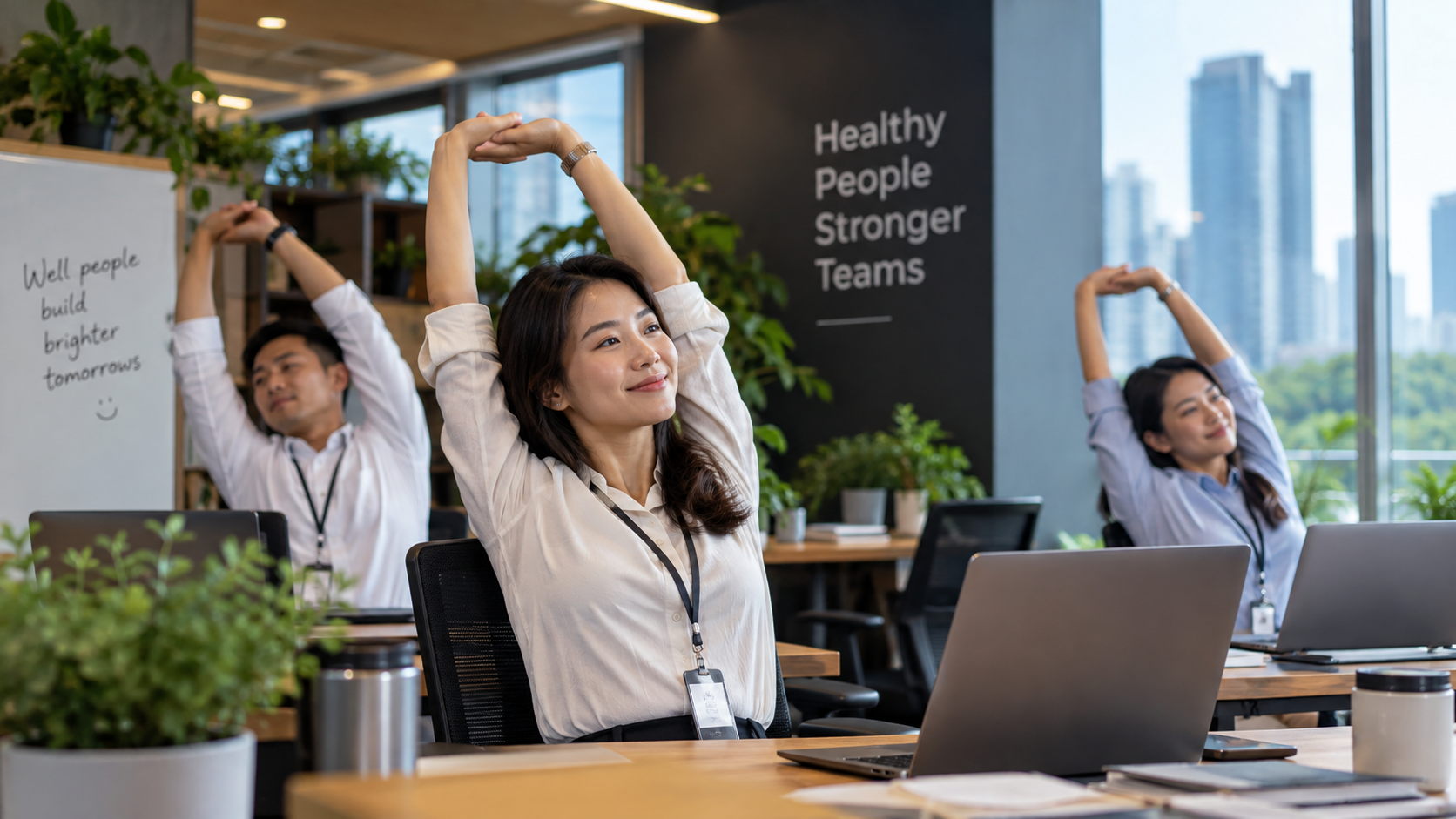
For decades, workplace performance was often associated with endurance: longer hours, constant availability and a willingness to keep going when workloads became demanding. But the modern workplace is challenging that assumption. In Japan, changing employee expectations, demographic pressures, digital transformation and evolving approaches to work are encouraging organizations to think differently about wellbeing. One increasingly important idea is simple: employees should not have to reach exhaustion before they are allowed to recover. For HR leaders, this means making recovery an intentional part of workplace design.
Annual leave is important, but recovery should not depend entirely on holidays. Employees experience pressure every day. Long periods of intense concentration, continuous meetings and constant digital communication can gradually reduce energy even when employees are highly motivated. A sustainable workplace therefore creates opportunities for employees to reset during the normal working week. Short breaks, realistic meeting schedules, protected focus periods and sensible workloads can all contribute to healthier working patterns. The aim is not to make employees work less effectively. It is to help them maintain their effectiveness for longer.
Being visibly busy can sometimes become confused with being productive. An employee who remains at their desk late into the evening may appear committed, but hours worked do not automatically translate into better outcomes. HR teams can help organizations shift the conversation from presence to performance. Rather than rewarding employees for how long they remain available, organizations can place greater emphasis on quality, outcomes, collaboration and sustainable delivery. This also gives managers an opportunity to identify inefficient processes that may be creating unnecessary work.
Managers Need to Recognize Capacity
One of the most valuable wellbeing conversations a manager can have is also one of the simplest: “Do you realistically have the capacity to do this?” Employees do not always feel comfortable saying that their workload has become unmanageable. Managers therefore need enough visibility into team capacity to recognize when priorities should be adjusted. Regular check ins can help leaders understand workload pressure before it becomes a serious wellbeing concern. Importantly, managers should be able to reprioritize work rather than simply encouraging employees to become more resilient to an unsustainable workload.
Policies can provide employees with breaks, but workplace culture determines whether people actually feel comfortable taking them. If senior leaders routinely work through lunch, remain online late or praise employees for sacrificing personal time, employees may interpret those behaviors as the real organizational expectation. Leadership therefore plays an important role in normalizing recovery. When managers take reasonable breaks, use their leave and respect employees' personal time, they demonstrate that recovery is compatible with professional commitment.
Technology has made Japanese workplaces faster and more connected, but it can also make uninterrupted concentration increasingly difficult. Notifications, email, internal messaging and virtual meetings constantly compete for attention. HR teams can work with business leaders to establish healthier digital habits. Teams might introduce meeting free periods, clarify which communication channels should be used for urgent matters and encourage employees to switch off non essential notifications while completing focused work. These small design choices can reduce cognitive overload without requiring major organizational program.
Wellbeing Should Reflect Different Generations
Japan's workforce spans multiple generations, each potentially experiencing work differently. An early career employee building professional confidence may need social connection, mentoring and development. Mid-career employees may be balancing leadership responsibilities with family commitments. Older employees may have different expectations around flexibility, health and career longevity. A single wellbeing program will rarely address all these needs equally. HR can instead create a flexible wellbeing framework that provides employees with appropriate support at different stages of their working lives.
The strongest argument for workplace recovery is not simply that it makes employees feel better. It supports sustainable organizational performance. Employees who have opportunities to recharge can return to demanding work with greater concentration and energy. Teams with realistic workloads can maintain performance without depending on continuous overtime. Managers who understand capacity can allocate resources more intelligently. For Japanese organizations navigating talent shortages and changing workforce expectations, this matters. A culture built around constant intensity may produce results temporarily. A culture designed around sustainable performance has a better chance of maintaining them.
Building a Healthier Future of Work
Workplace wellbeing does not always require another program, platform or employee benefit. Sometimes it requires redesigning the everyday experience of work. For HR leaders in Japan, making recovery part of that experience can mean examining workloads, meetings, digital communication, management practices and cultural expectations. The question for organizations is therefore shifting from “How much can our people handle?” to “How can our people continue performing well over the long term?” That change in perspective could become one of the most important wellbeing strategies for the future of work across Japan and across Asia.