

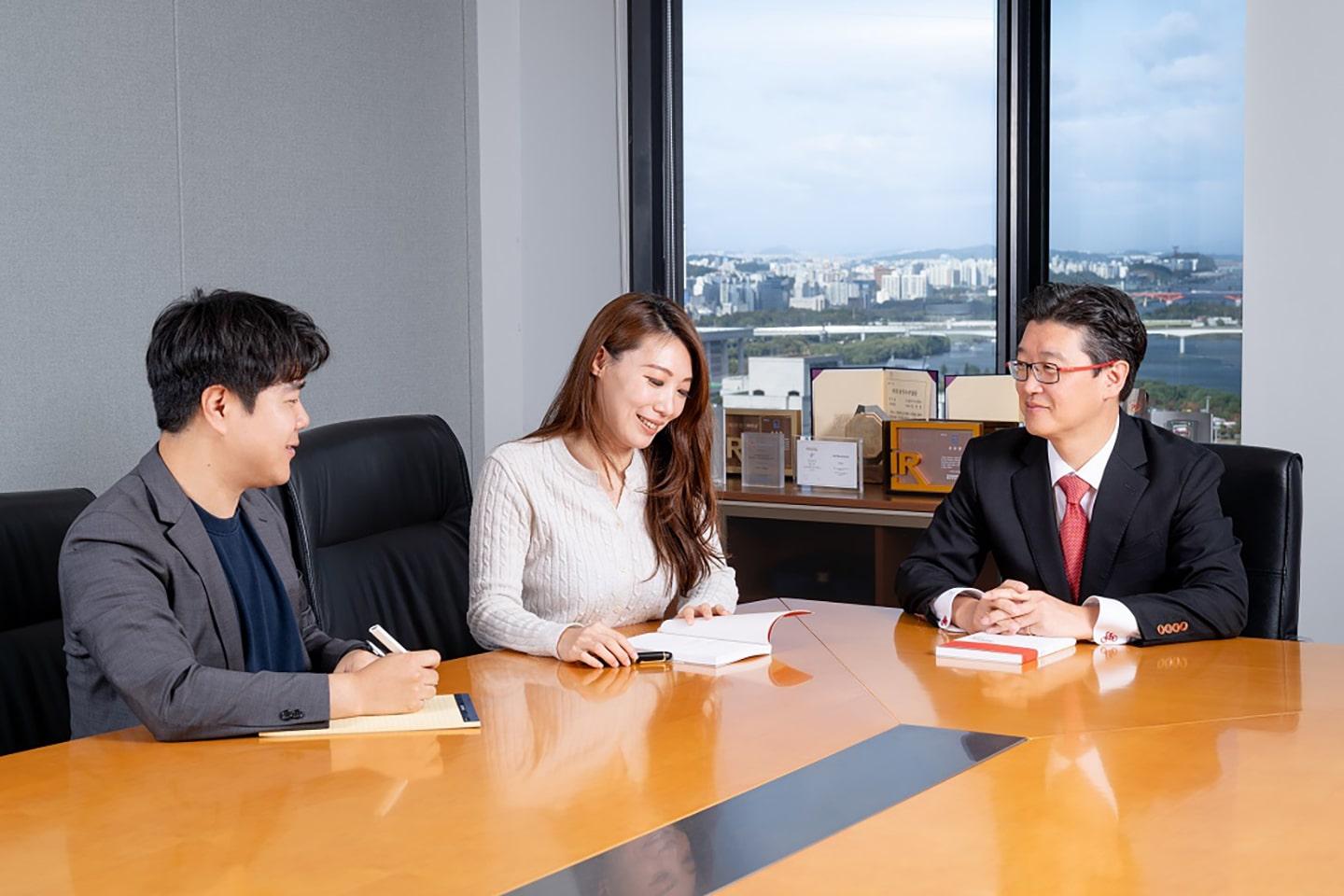
An illustrative executive interview based on contemporary HR leadership themes, not an interview with an actual executive.
South Korea has established itself as one of Asia’s most technologically advanced economies, with businesses across electronics, automotive manufacturing, financial services, telecommunications, and digital industries continuously investing in innovation and operational transformation. However, as artificial intelligence, automation, and digital collaboration technologies become more deeply integrated into organizational operations, business leaders are recognizing that successful transformation requires more than sophisticated systems and financial investment. It also depends on employees having the confidence, capabilities, and organizational support needed to adapt. In this illustrative executive conversation, the central question is how South Korean organizations can maintain their technological competitiveness while creating workplaces that remain responsive to human needs. From the perspective of a senior HR executive, digital transformation should begin with a clear understanding of how technology affects employees and their everyday responsibilities. Organizations often introduce new tools with the objective of improving efficiency, accelerating decision-making, or reducing repetitive tasks, yet the employee experience during implementation can determine whether those investments deliver lasting value. In Seoul’s competitive corporate environment, professionals may be expected to learn new digital capabilities while continuing to meet demanding performance expectations, creating potential challenges relating to workload, confidence, and career security. The executive perspective explored here suggests that HR leaders should become active participants in technology investment discussions rather than joining the process only after implementation decisions have been finalized. By collaborating with technology departments, operational management, and senior executives, HR teams can identify emerging capability requirements, prepare practical learning programmed, and communicate how technological changes will influence future career opportunities. This approach also requires organizations to recognize that employees respond differently to transformation depending on their professional experience, responsibilities, and career stage. While some may welcome new systems as opportunities for advancement, others may require additional guidance and reassurance. Human centered transformation therefore involves creating conditions where employees understand the purpose of technological change, have opportunities to contribute feedback, and feel supported as their responsibilities evolve. For South Korean business leaders, the strategic lesson is that workplace technology and employee experience should not be managed as separate priorities. Sustainable transformation is more likely when organizations develop both together.
A second important theme in this executive perspective is the changing role of leadership in South Korean workplaces, particularly as organizations balance established management traditions with evolving expectations surrounding communication, flexibility, and career development. South Korea’s corporate environment has historically been associated with structured reporting relationships, strong organizational commitment, and respect for managerial authority. While these characteristics can contribute to operational discipline and coordinated execution, businesses seeking greater innovation may also need to encourage more open communication and collaborative decision-making. Younger professionals may place greater emphasis on transparent leadership, opportunities to express ideas, professional autonomy, and meaningful feedback, while experienced employees bring valuable organizational knowledge, technical expertise, and business judgement. The challenge for senior management is not to favor one generation’s working preferences over another but to create a leadership culture capable of combining these strengths. From an HR executive’s standpoint, effective leadership development must therefore move beyond preparing managers to supervise tasks and evaluate performance. Future leaders need the ability to coach employees, manage uncertainty, communicate difficult decisions, and build trust across teams with different experiences and expectations. A technology organization in Seoul, for example, may benefit from managers who can coordinate experienced engineering professionals and emerging digital specialists while encouraging constructive discussion about product development and operational improvements. Similarly, an automotive manufacturer in Ulsan may require leaders who can guide experienced production employees through the introduction of increasingly automated systems without diminishing their professional contributions. Regular employee conversations, transparent performance expectations, mentoring opportunities, and cross-functional development programmed can help organizations strengthen these capabilities. However, leadership culture cannot be transformed through training sessions alone. Senior executives must demonstrate the behaviors they expect from managers, including openness to feedback, accountability for decisions, and genuine interest in employee development. When employees see these principles reflected consistently in management practices, organizations can build stronger relationships between leadership teams and the wider workforce. In this context, the HR function becomes an important partner in shaping how leadership is experienced throughout the organization, ensuring that business performance and employee trust reinforce rather than compete with one another.
The final question explored in this illustrative interview concerns how South Korean organizations can prepare their people strategies for the next decade while maintaining both commercial competitiveness and long-term workforce resilience. As businesses respond to demographic changes, technological advancement, and international competition, executive leadership will increasingly need to make decisions about workforce capabilities that extend beyond immediate recruitment requirements. The HR executive perspective presented here emphasizes the importance of identifying future skills, developing internal talent, and creating career pathways that allow employees to remain valuable contributors as business models evolve. Rather than relying exclusively on external recruitment whenever new technical capabilities become necessary, organizations can evaluate how existing employees might transition into emerging responsibilities through structured reskilling, internal mobility, and practical experience. This approach may be especially valuable in specialized industries where institutional knowledge and technical understanding require years to develop. People analytics can support workforce planning by identifying capability gaps, emerging retention risks, and areas where succession planning needs additional attention. Nevertheless, data should be used to strengthen human judgement rather than replace it, particularly when decisions affect employees’ careers, professional development, or job security. HR leaders must also ensure that organizational transformation remains inclusive, with development opportunities available across different age groups, professional backgrounds, and operational functions. Building a future-ready workplace involves creating an environment where continuous learning is encouraged, managers are accountable for developing talent, and employees understand how their individual contributions connect with broader organizational objectives. For business leaders in South Korea, this reflects an important evolution in the relationship between human resources and corporate strategy. The most influential HR executives will not simply manage recruitment, performance systems, or employee relations; they will help organizations anticipate change and build the workforce capabilities needed to navigate it. Ultimately, the enduring message of this executive perspective is that technological leadership and human centered management are not opposing goals. Organizations that combine innovation with employee trust, strong leadership, and continuous development may be better positioned to sustain performance in an increasingly complex Asian business environment.
Comments 0
Share a thoughtful perspective with the HR360 community.
Be the first to share your perspective.